Step into a typical office in Qatar and you’ll notice the environment is carefully controlled—air conditioning running steadily, windows sealed, temperatures kept consistent throughout the day.
It’s comfortable. Efficient. Predictable.
But there’s a trade-off.
When air circulates within closed systems for long hours, it can start to feel… stale. Not immediately noticeable, but over time, it affects how a space feels—and even how people function within it.
This is where indoor plants begin to play a much bigger role than just decoration.
They don’t just make an office look better. They quietly improve the quality of the air itself.
The Reality of Indoor Air in Qatar Offices
In Qatar’s climate, most offices rely heavily on air conditioning. Fresh air circulation is limited, and spaces are often sealed to maintain cooling efficiency.
This creates a few common issues:
- Dry air from constant cooling
- Accumulation of indoor pollutants (from furniture, carpets, electronics)
- A lack of natural ventilation
Over time, this can lead to subtle discomfort—fatigue, reduced focus, even mild headaches.
It’s not always obvious what’s causing it. But the environment plays a bigger role than we think.
How Plants Naturally Clean the Air
Plants interact with the air in a way no machine quite replicates.
Through a process tied to Photosynthesis, plants absorb carbon dioxide and release oxygen. But beyond that, many indoor plants also help filter certain airborne toxins—substances that build up in enclosed environments.
While they won’t replace ventilation systems, they contribute to a healthier balance.
Think of them as quiet support—working in the background, improving the overall atmosphere without drawing attention.
Moisture and Humidity Balance
One of the less talked-about benefits of indoor plants is their effect on humidity.
Air-conditioned environments tend to be dry. Over time, this dryness can affect skin, eyes, and even respiratory comfort.
Plants release small amounts of moisture into the air through a process called transpiration. It’s subtle—but in a closed office environment, even a slight increase in humidity can make the space feel more comfortable.
It softens the air.
And that shift, while almost invisible, is something people feel.
Plants That Work Best for Office Air Quality
Not every plant contributes in the same way. Some are particularly well-suited for improving indoor air conditions while thriving in office environments.
Here are a few that work especially well in Qatar offices:
- Snake Plant – Highly adaptable and efficient, even in low light. Ideal for desks and corners.
- Peace Lily – Known for its ability to filter indoor air while adding a soft, calming presence.
- Areca Palm – Adds moisture to the air and works well in larger spaces.
- Rubber Plant – Strong, structured, and effective in improving indoor air quality over time.
- Spider Plant – Lightweight and easy to maintain, perfect for shelves or smaller areas
Plaza Hollandi offers a wide selection of these indoor plants, carefully chosen to suit both the environmental conditions and aesthetic preferences of offices in Qatar.
Beyond Air: The Psychological Effect
Air quality isn’t just physical—it’s also perceived.
A space filled with greenery feels fresher, even before any measurable changes occur. People tend to breathe easier, focus better, and feel less confined.
Plants break the monotony of screens, walls, and artificial lighting. They introduce something organic into a highly structured environment.
And that has a direct impact on mood.
In offices where productivity matters, this shift is not just aesthetic—it’s functional.
Reducing “Office Fatigue”
There’s a certain kind of tiredness that comes from spending hours in a closed, artificial environment.
It’s not always physical. It’s more subtle—mental fatigue, lack of clarity, a sense of heaviness in the space.
Indoor plants help counter that.
They create visual breaks. They soften the environment. They make the space feel less mechanical.
Over time, this contributes to a more comfortable, more balanced work atmosphere.
Placement Makes a Difference
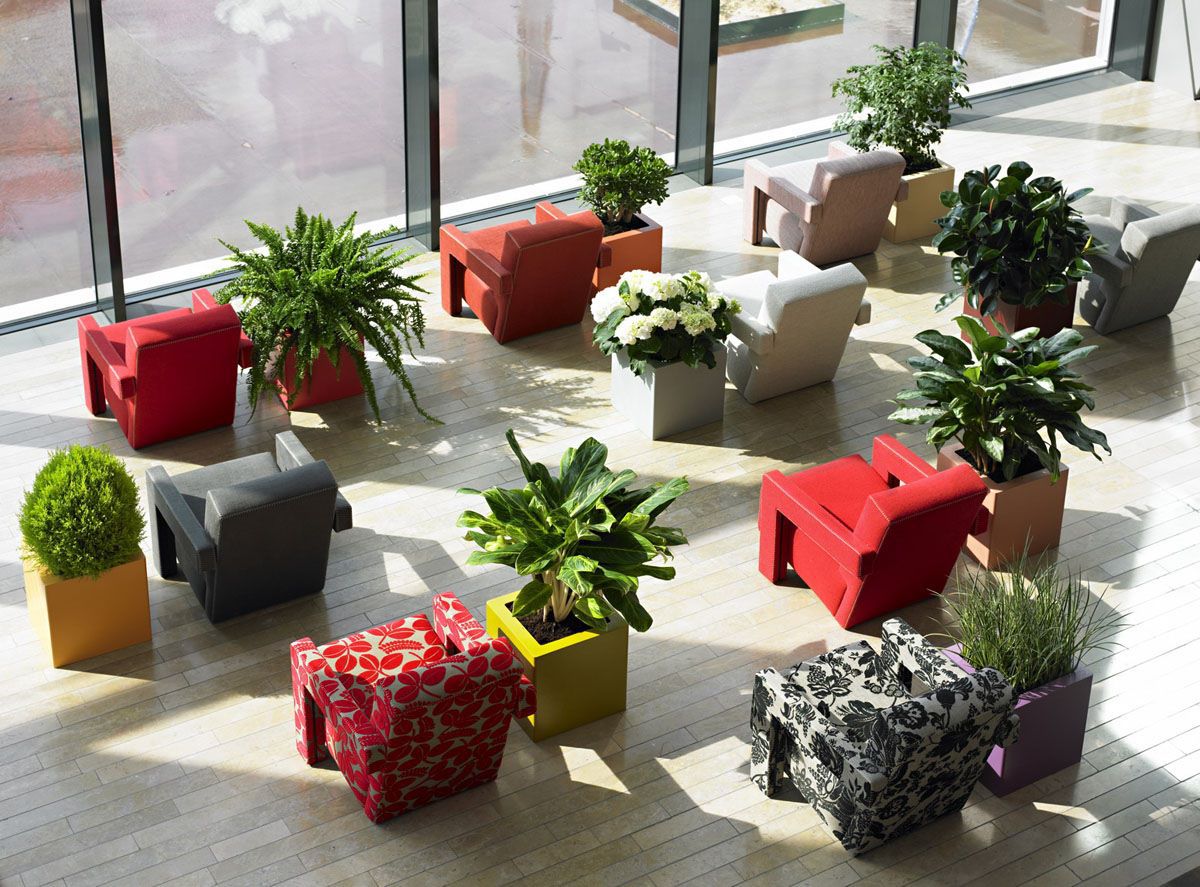
Simply adding plants isn’t enough. Where they’re placed matters.
In offices, strategic placement can enhance both air quality and overall design:
- Near desks, to improve personal workspace comfort
- In meeting rooms, to soften the environment
- Along walkways, to guide movement and reduce visual rigidity
- In reception areas, to create a welcoming first impression
Plaza Hollandi often approaches plant placement as part of a broader design strategy—ensuring that greenery enhances both function and aesthetics.
Maintenance: The Key to Long-Term Benefits
For plants to improve air quality, they need to stay healthy.
Dust on leaves, overwatering, or neglect can reduce their effectiveness. This is why professional maintenance becomes important in office settings.
Plaza Hollandi provides ongoing plant care services—including cleaning, pruning, and replacement—ensuring that indoor plants continue to perform both visually and functionally.
It keeps the environment consistent—without adding extra responsibility to your team.
A Subtle Shift That Changes Everything
What makes indoor plants so effective is how quietly they work.
They don’t require attention. They don’t disrupt the space.
But over time, they change how the environment feels.
The air feels lighter. The space feels calmer. People feel more comfortable.
And in a workplace, those small shifts add up.
Bringing Balance Back Into the Office
Modern offices in Qatar are designed for efficiency.
But efficiency alone doesn’t create comfort.
Indoor plants reintroduce that balance—between structure and softness, between control and natural flow.
They improve the air, yes. But they also improve the experience of being in that space.
And once they’re there, it’s hard to imagine the office without them.